
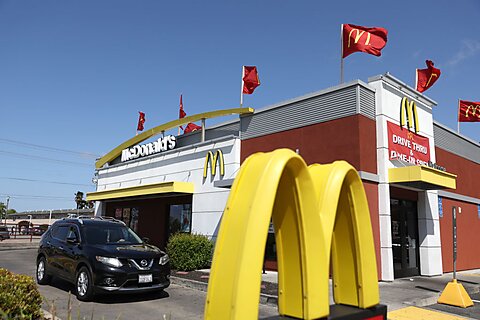
The minimum wage for most fast‐food workers in California went up to $20 per hour in April. Since then—no surprise—thousands of workers have lost their jobs and menu prices have risen. Coincidentally, a new book by the Cato Institute, The War on Prices, devotes two chapters to the destructive effects of minimum wage laws. Lawmakers in California and nationwide should read it if they really want to enact policies that help people.
The first, an essay by economist Jeffrey Clemens, details how firms adjust to higher mandated wage floors in ways beyond simply cutting jobs. Yes, despite claims to the contrary, the evidence still suggests overall that raising wages by government fiat can result in “substantial job losses, especially for the least‐skilled, least‐experienced, and least productive workers,” writes Clemens. But he confirms other ways firms often adapt to higher mandated wage rates to keep their employment costs from rising.
They can trim “fringe benefits,” such as health insurance, paid leave, and pension accounts. They also might forestall improvements or safety upgrades. Or they can sweat workers harder, micromanage their schedules, or substitute inexperienced workers for more experienced staff.
In the second essay, San Diego State University Economics Department Chairman Joseph J. Sabia explains why “minimum wages are an ineffective and inefficient anti‐poverty tool.” Although poverty reduction has been a stated rationale for increasing minimum wages since FDR’s federal law in 1938, Sabia shows that less than 10 percent of individuals in poverty are minimum wage workers.
Add to this how high wage floors destroy entry‐level opportunities for “less experienced, less educated, low skilled workers”—i.e. those who are more prone to poverty—and one sees why minimum wages are so ineffective and ill‐targeted in reducing poverty.
California’s situation affirms some of these pernicious effects.
For instance, raising wage costs has reduced labor demand. The Wall Street Journal reported in March that some restaurants were “already laying off staff and reducing hours for workers as they try to cut costs.” Other businesses said they had “halted hiring” or were “scaling back workers’ hours.”
Round Table Pizza and Pizza Hut, for example, announced they were laying off about 1,280 delivery drivers. This eradicates entry‐level positions that can give vital experience to young and lower‐skilled workers and provide protection against poverty. Driver Michael Ojeda, 29 years old, said, “Pizza Hut was my career for nearly a decade and with little to no notice it was taken away.”
At the same time, the fact that the wage control applies to all fast‐food outlets (with at least 60 locations nationwide) has meant firms have passed through a lot of the elevated costs into higher prices. Even before the wage floor was introduced at $20 per hour, up from $16 per hour, McDonald’s, Chipotle, and Jack in the Box “plan to raise menu prices to compensate for the required wage increase,” reported NBC 7 San Diego in March.
According to consumer reporter John Stossel, “Starbucks prices have increased as much as 15 percent” and “a chicken burrito at Chipotle will cost up to 8 percent more.” To the extent that poor Californians eat fast food, these higher prices reduce their standard of living.
It’s all a reminder that controlling prices doesn’t change the underlying economic pressures in the labor market. Control one price—the hourly wage rate—and other margins adjust. In California’s case, raising the minimum wage means fewer work opportunities for the young and unskilled and higher prices for fast food consumers.
This is more confirmation that, as The War on Prices documents, minimum wage laws only deliver “symbolic hope to the working poor” and “risk leaving many of the nation’s most vulnerable worse off.”