
A fundamental issue in debates over climate policy is that politicians and the public do not like the implications of the standard economic analysis.
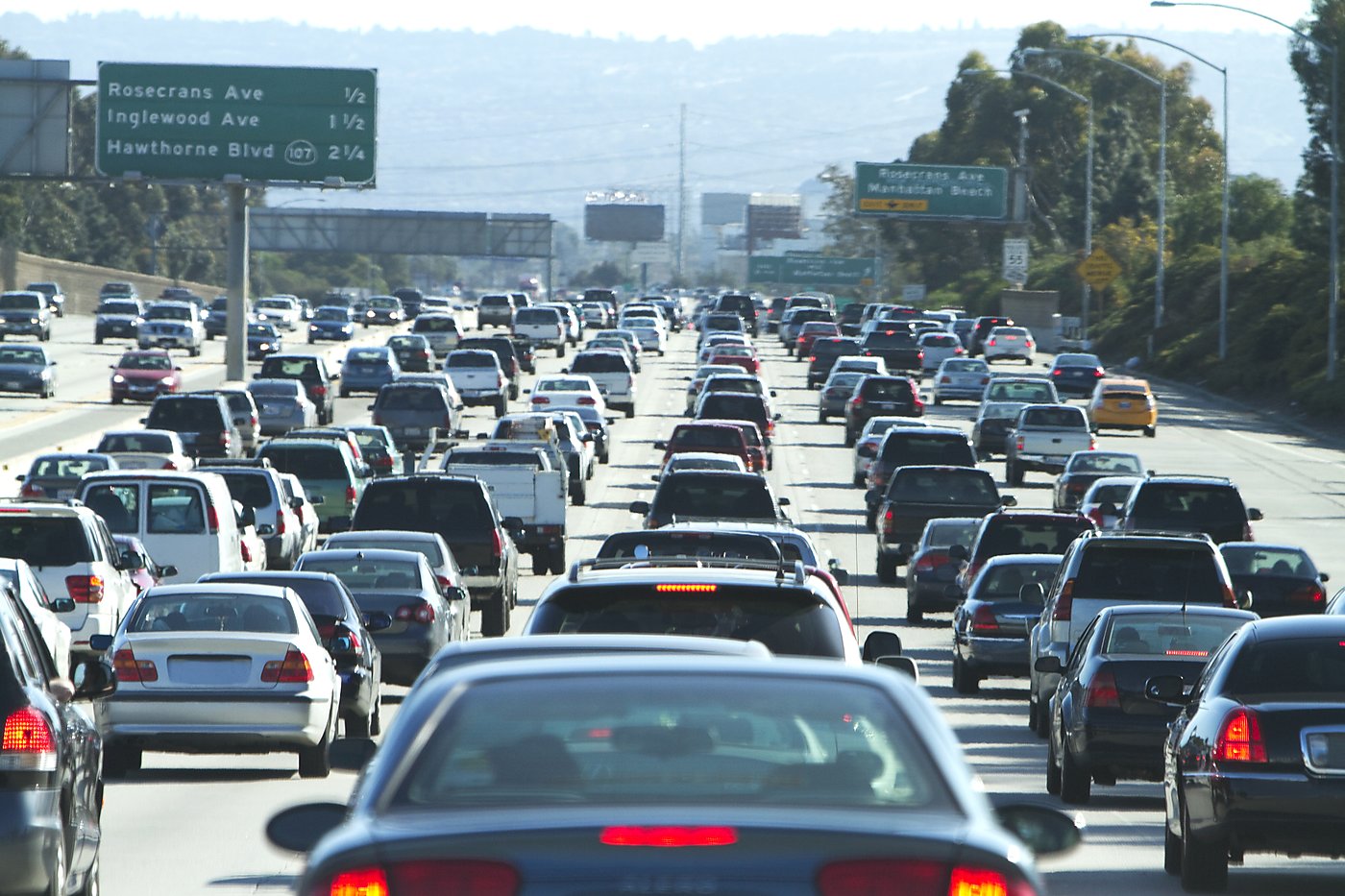
The existing scientific consensus implies that carbon and other GHC emissions (henceforth, “emissions”) constitute an externality, meaning an effect of one person’s actions on other economic actors, in ways not mediated through prices. Air pollution from cars and factories, fertilizer runoff from farms, and loud noises from highways and airports are standard examples.
In the presence of externalities, free markets produce too much of the externality‐generating good, and government can in principle improve economic efficiency.
The standard approach is a tax that raises the good’s price, which lowers its production and thus the externality. Measured economic output goes down, but true economic output—measured output minus the externality—goes up.
Emissions taxes, however, fare badly at the voting booth because they raise prices for heating oil, gasoline, and other goods and services.
Policymakers therefore suggest subsidizing “clean” energy sources like solar or wind. This reduces the price of such energy and so tilts utilization away from high‐emission sources. Subsidized industries and energy consumers are happy because they face lower prices overall for energy.
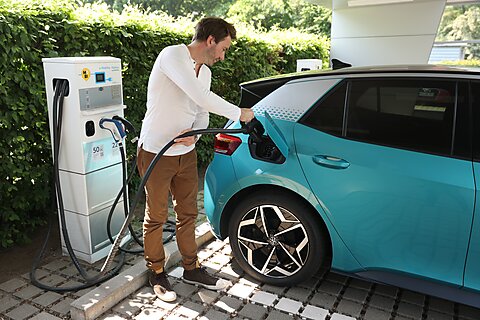
By making energy cheaper, however, subsidies can raise emissions. EV subsidies, for example, might increase the number of cars, and because production of EVs will utilize substantial “dirty” energy for the foreseeable future, this might increase emissions. Worse, the energy that charges EV batteries often comes from burning coal or oil, which are more carbon‐emitting than gasoline. A recent paper finds that the optimal subsidy for buying an electric vehicle should be a $742 tax rather than a $7,500 credit.
Thus clean energy subsidies are a mixed bag because they have potentially offsetting effects. Only emissions taxes unambiguously move the economy in the right direction.
A recent paper examines these issues empirically:
We study clean energy subsidies in a quantitative climate‐economy model. … At standard parameter values, clean production subsidies increase emissions and decrease welfare relative to laissez‐faire. … Even in [a] more optimistic scenario, a clean subsidy generates significantly higher emissions and lower welfare than a tax on dirty energy.
Exactly. Emissions taxes are likely the least bad way to reduce emissions. Exceptions are possible, but clean energy subsidies deserve careful scrutiny, even if political constraints make emissions taxes impossible. Sometimes doing nothing is better than the feasible alternatives.
This article appeared on Substack on January 22, 2024.